
Fundamental Watercolour Techniques
Fundamental Watercolour Techniques.
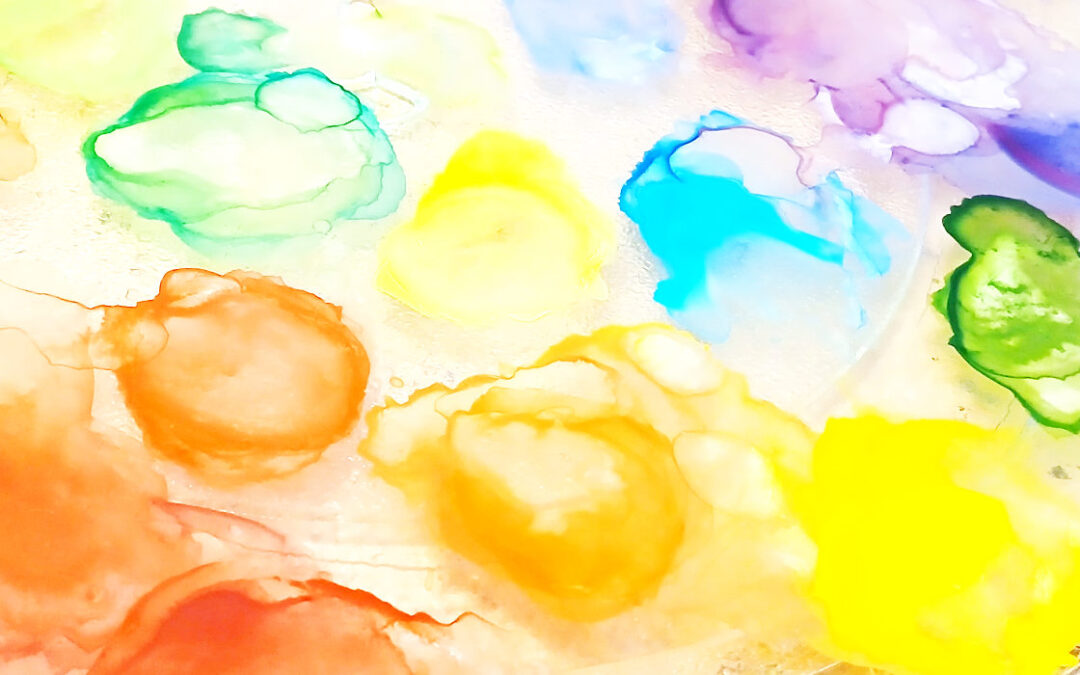
Apply wet paint or clean water onto a pre-moistened paper surface. The pigment spreads and flows organically, creating soft, diffused edges—ideal for depicting skies, water, or blurred backgrounds.
Apply wet paint onto completely dry paper. This offers maximum control, allowing for crisp, well-defined lines—perfect for foreground details.
• Brushes: Keep a few round brushes on hand (for example, sizes 4, 6, or 8), along with a fine brush for details.
• Water Setup: Use two containers of water: one exclusively for rinsing dirty brushes, and another with clean water for mixing with your paints.
• Flat and Graded Washes:
• A flat wash consists of applying a uniform, single-toned colour across a specific area.
• A graded (or gradual) wash creates a smooth transition from a dark, highly pigmented tone to a light, diluted one.
• Glazes: These involve applying a thin, transparent layer of colour over a previously dried layer; this allows you to intensify shadows or modify a hue without altering the paint underneath.
• Dry Brush: Load your brush with a generous amount of pigment but very little water, then gently glide it across textured paper. The pigment will settle only on the "peaks" of the paper’s texture, creating a rough effect—ideal for representing grass or sea foam.
• Lifting: Use a clean, slightly damp (and absorbent) brush, a paper towel, or a sponge to remove paint while it is still wet. This allows you to create areas of light, such as clouds or reflections.